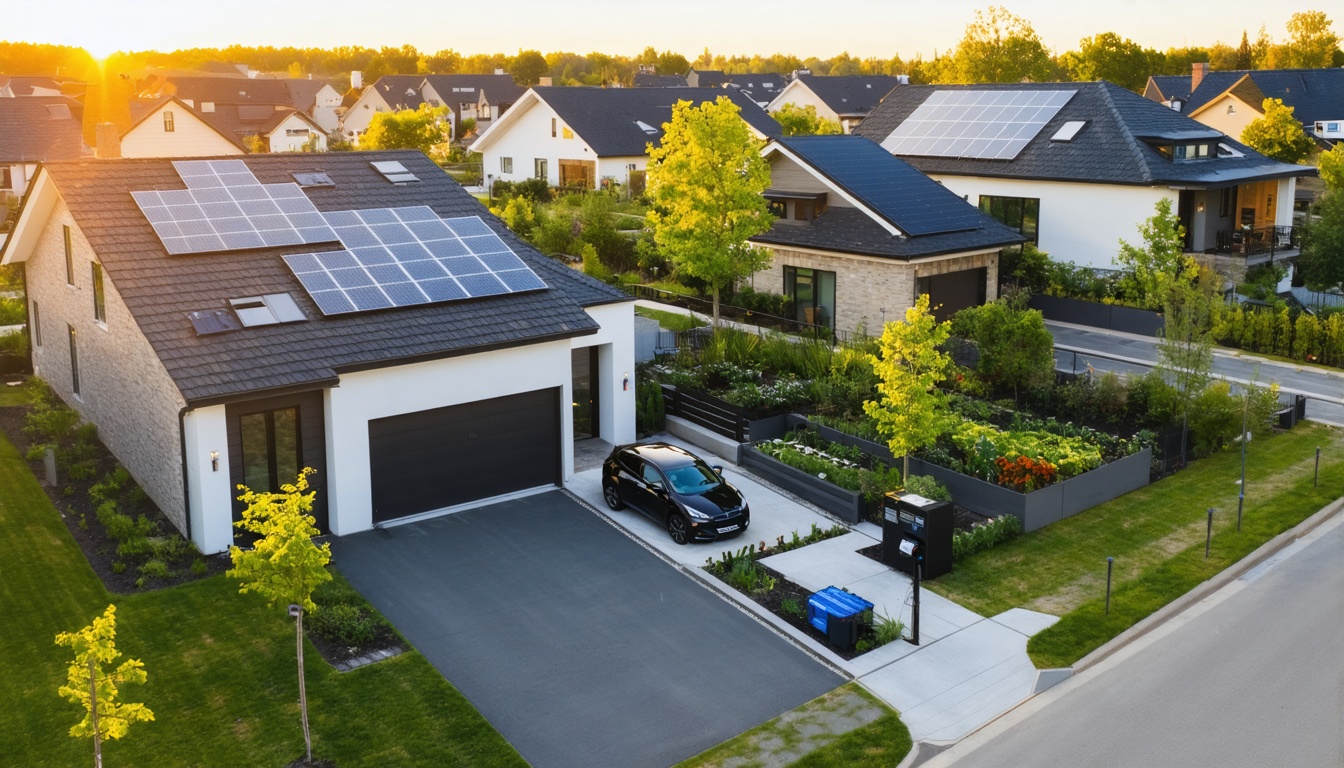
How Solar Energy Helps Households Build a More Sustainable Future
Solar energy represents a viable option for households seeking to enhance sustainability. Installing solar panels can lead to decreased electricity costs while also contributing to a reduction in greenhouse gas emissions. The functionality of solar panels allows homeowners to convert sunlight into usable electricity, which can significantly lower reliance on nonrenewable energy sources. Government incentives, such as tax credits and rebates, can make the transition to solar energy more accessible and financially feasible for many homeowners. Additionally, advancements in solar technology continue to improve the efficiency and affordability of solar panels, making them a more attractive option. Moreover, utilizing solar energy can promote energy independence, as homeowners could potentially generate enough electricity to meet their own needs, decreasing dependence on external energy providers. Overall, the adoption of solar energy aligns with broader goals of sustainability and environmental responsibility.
The Environmental Impact of Residential Solar Power
As energy demands increase, residential solar power offers a practical option for households seeking to reduce their environmental impact. The installation of solar panels by reputable solar panel installers in Charlotte generates electricity without direct emissions, thus helping to decrease the greenhouse gas emissions associated with traditional fossil fuel-based energy production.
Solar photovoltaic (PV) systems convert sunlight into electricity, allowing users to lessen their reliance on the electrical grid and potentially lower their energy costs, especially considering the fluctuations in market energy prices.
However, it is crucial to recognize that while photovoltaic panels do not produce air pollutants during their operation, the environmental implications of their manufacturing and lifecycle management must be carefully evaluated to determine their overall impact.
Recent advancements in solar technology, along with improvements in recycling processes for solar materials and government initiatives like tax incentives, support the broader adoption of solar energy.
These efforts contribute to the perception of solar power as a more sustainable energy source. Nonetheless, continued analysis is essential to comprehensively assess the long-term benefits and constraints of residential solar power in relation to wider environmental objectives.
Technological Progress and Greater Accessibility
Recent advancements in solar technology have made it increasingly feasible for homeowners to adopt solar energy systems. Key innovations in the design of solar panels, particularly improvements in the efficiency of photovoltaic cells, enable a higher rate of electricity generation from sunlight. This development contributes to a decreased dependency on conventional energy sources, including fossil fuels. Notably, solar panels function without emitting carbon during operational use, which may help mitigate the environmental impacts associated with residential energy consumption.
The increasing emphasis on sustainable energy practices has led to financial incentives aimed at broadening access to solar energy for homeowners. These incentives include reduced installation costs and available tax credits that facilitate the transition to solar power.
Furthermore, advancements in battery technology are supporting the storage of surplus energy produced by solar systems. This capability offers potential protection for homeowners against energy price volatility and allows for the possibility of redirecting excess electricity back into the grid. The integration of solar energy systems into residential settings not only promotes energy self-sufficiency but also plays a role in broader initiatives aimed at reducing carbon emissions on a larger scale.
Integrating Solar Energy with Home and Electric Vehicle Use
The growing affordability and efficiency of solar energy systems have led many homeowners to assess how they can utilize renewable resources to power their homes and electric vehicles (EVs). By installing solar photovoltaic (PV) systems, individuals can generate electricity that supplies power to their residences and simultaneously charges their EVs. This can decrease reliance on traditional fuel sources and the grid.
This use of solar energy can lower greenhouse gas emissions, supporting a shift towards more sustainable energy practices. Moreover, the opportunity to store surplus energy generated during daylight hours in batteries enables homeowners to use that power at night or during periods of low sunlight.
In addition, financial incentives such as tax credits can help offset the initial costs of solar panel installations, thereby making renewable energy options more accessible.
However, it is critical to consider the lifecycle of solar panels, including their recycling and environmental impact, to ensure that the transition to solar technology does not present long-term sustainability issues.
As advancements in solar energy technologies continue, their integration into residential settings and with electric vehicle use has the potential to significantly contribute to energy sustainability and diminished environmental impact.
Economic and Energy Independence for Homeowners
Installing solar panels on residential properties offers financial benefits and potential long-term savings. Solar photovoltaic panels generate electricity, which can lead to a reduction in monthly electricity bills. Many regions have implemented net metering policies that enable homeowners to sell excess electricity back to the grid, potentially providing an additional revenue stream.
Financial incentives such as government tax credits and rebates can help offset the initial costs associated with the installation of solar energy systems. These incentives may make solar energy more accessible for a broader range of homeowners.
Furthermore, adopting solar energy can lessen reliance on traditional fossil fuels, which are often subject to price fluctuations, thereby enhancing homeowners' energy independence.
Additionally, solar energy systems are known for producing low emissions, which can contribute to a reduction in overall carbon footprints.
By employing clean energy solutions, homeowners can align with sustainability goals and minimize their environmental impact.
In summary, the installation of solar panels presents a pragmatic option for homeowners aiming to enhance their financial stability while supporting environmental conservation efforts.
Long-Term Considerations for Sustainable Living
Investing in solar energy for residential applications has become increasingly pivotal in advancing sustainable living practices. The installation of solar panels enables homeowners to reduce their reliance on traditional fossil fuels and grid electricity. This transition can decrease vulnerability to fluctuations in energy market prices and enhance access to renewable energy sources.
Modern photovoltaic panels are engineered for durability, typically lasting over 25 years. During their operational life, they produce electricity with minimal environmental consequences, as they do not emit greenhouse gases while generating power. Additionally, the capacity for energy storage allows homeowners to retain excess energy for later use, which can benefit individual residences and contribute to the stability of the electricity grid. This capability aligns with the rising demand for electric vehicles and can help alleviate stress on the grid during peak consumption times.
Financial incentives, such as tax credits and rebates, can help to offset the initial costs associated with solar panel installation, enhancing the economic feasibility of such projects. As technology progresses, improvements in solar panel efficiency and advancements in recycling methods for decommissioned units are expected to yield enhanced performance and sustainability within the solar energy sector.
As the global community shifts toward more sustainable living practices, the decisions made regarding energy consumption and generation will have enduring effects on future generations. For additional information, please consider consulting relevant resources or professional guidance.
Conclusion
Adopting solar energy for residential use has become a practical consideration for many households, primarily due to its potential financial advantages and environmental benefits. Transitioning to solar power can lead to a decrease in utility bills, as homeowners can generate a portion of their electricity needs independently. Additionally, solar panels may enhance a property's market value; a study from the U.S. Department of Energy indicates that homes equipped with solar energy systems often sell at higher prices. From an environmental perspective, utilizing solar energy contributes to a reduction in greenhouse gas emissions, which is crucial in combating climate change. Solar installations also promote energy independence by lessening reliance on fossil fuels, which can be subject to price volatility and supply chain disruptions. The advancements in solar technology—such as increased efficiency rates and the development of solar battery storage—improve systems' performance and reliability, making them more appealing to consumers. Furthermore, financing options such as solar loans, leases, and Power Purchase Agreements (PPAs) provide various ways for homeowners to afford the initial installation costs. In summary, the adoption of solar energy for homes presents an opportunity for households to achieve financial savings while simultaneously contributing to sustainability efforts. By making an informed choice about solar energy, homeowners can participate in the shift towards a more sustainable and resilient energy future.